Companion / Travel
Go with
confidence.
Focused, offline-first mobile experiences that turn the details of a journey into something calm, clear, and close at hand.
TRAVEL / 01
Journeys
Companions for
where you’re going.
The principle
The trip is complex.
The companion shouldn’t be.
Confirmations, places, schedules, maps, and notes—considered as one secure mobile experience for one specific journey.
Case study / Evidence-based memory
Turning Location Data Into a Travel Memoir
Washington, D.C. / July 2–5, 2026
How a Google Maps Timeline export, photographs, and public records turned one Washington weekend into an evidence-based memoir.
Start with the raw data{
"position": {
"LatLng": "38.8902472°, -77.036656°",
"accuracyMeters": 3,
"altitudeMeters": -42.224822998046875,
"source": "GPS",
"timestamp": "2026-07-04T17:54:05.000-04:00",
"speedMetersPerSecond": 0.4705972969532013
}
}The project began with Google Maps Timeline: a phone-exported Timeline.json file containing raw GPS positions and timestamps.
01 / Challenge
Make telemetry feel like memory.
Google Maps Timeline knew where we were, not why it mattered. The challenge was adding context without turning correlation into certainty.
02 / Approach
Build the story from evidence.
-
01
Google Maps Timeline set the chronology
The phone export established where and when we moved.
-
02
Raw signals exposed the detail
Coordinates, timestamps, accuracy, speed, and source came from
Timeline.json. -
03
Public records added context
The event schedule matched the time and location.
-
04
Photos tested the inference
Photos confirmed the sequence; missing EXIF remained explicit.
03 / Google Maps Timeline data
The export mixes observation with inference.
The phone-exported Google Maps Timeline file contains several evidence layers. Each was treated according to what it could actually support.
- Position records
- Coordinates, timestamps, reported accuracy, source, and speed describe where the device was observed—not why a person was there.
- Semantic segments
- Visits, travel segments, and activity candidates may be inferred by Google, sometimes with probabilities. They are model outputs, not ground truth.
- Privacy boundary
- Only trip-relevant records were used. Home, work, unrelated dates, and the full Timeline export remain private.
From signal to story
One GPS point becomes a remembered evening.
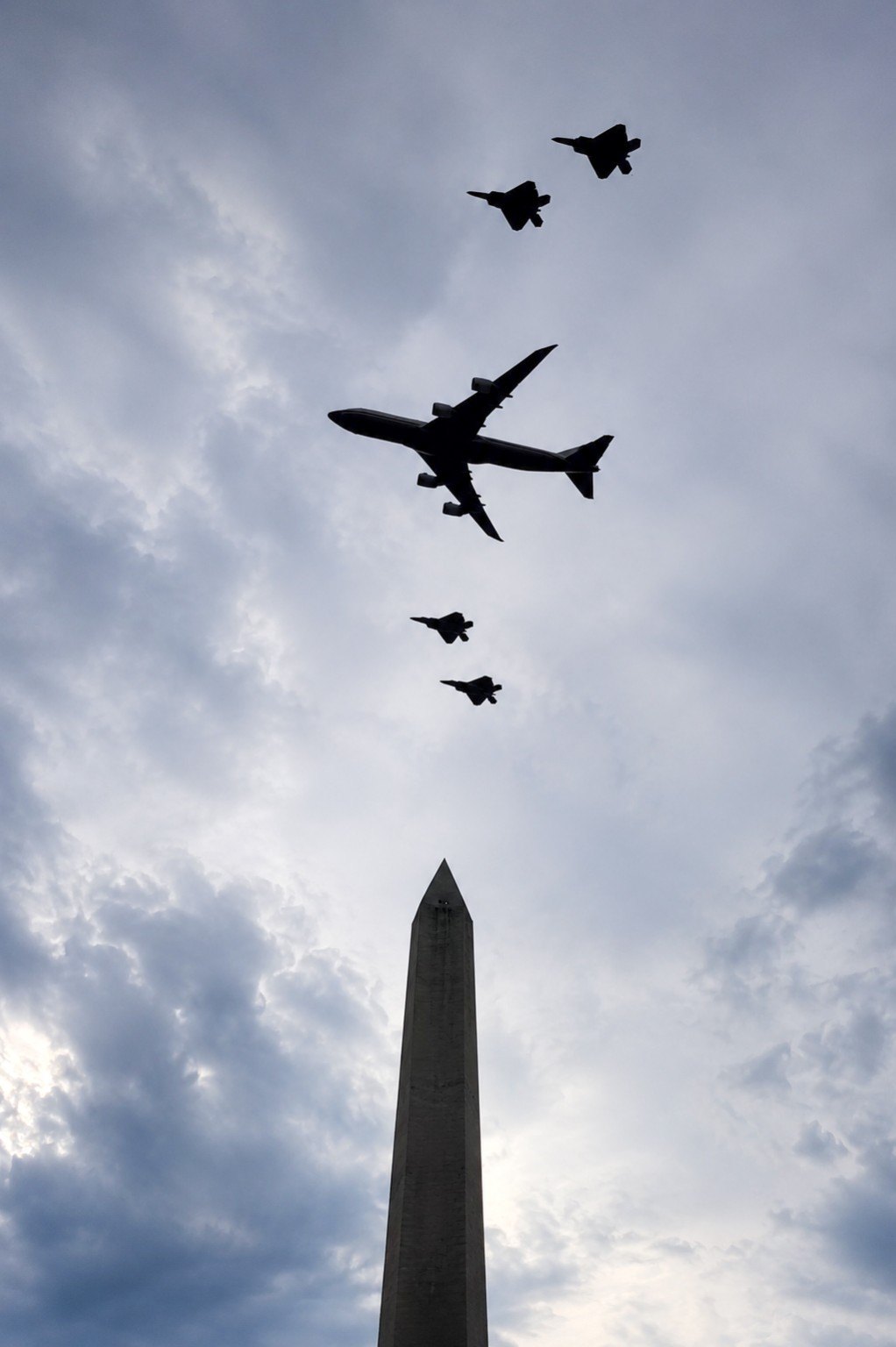
- 01 / Signal GPS near the monument at 5:54 PM
- 02 / Correlation Schedule matches Salute to America
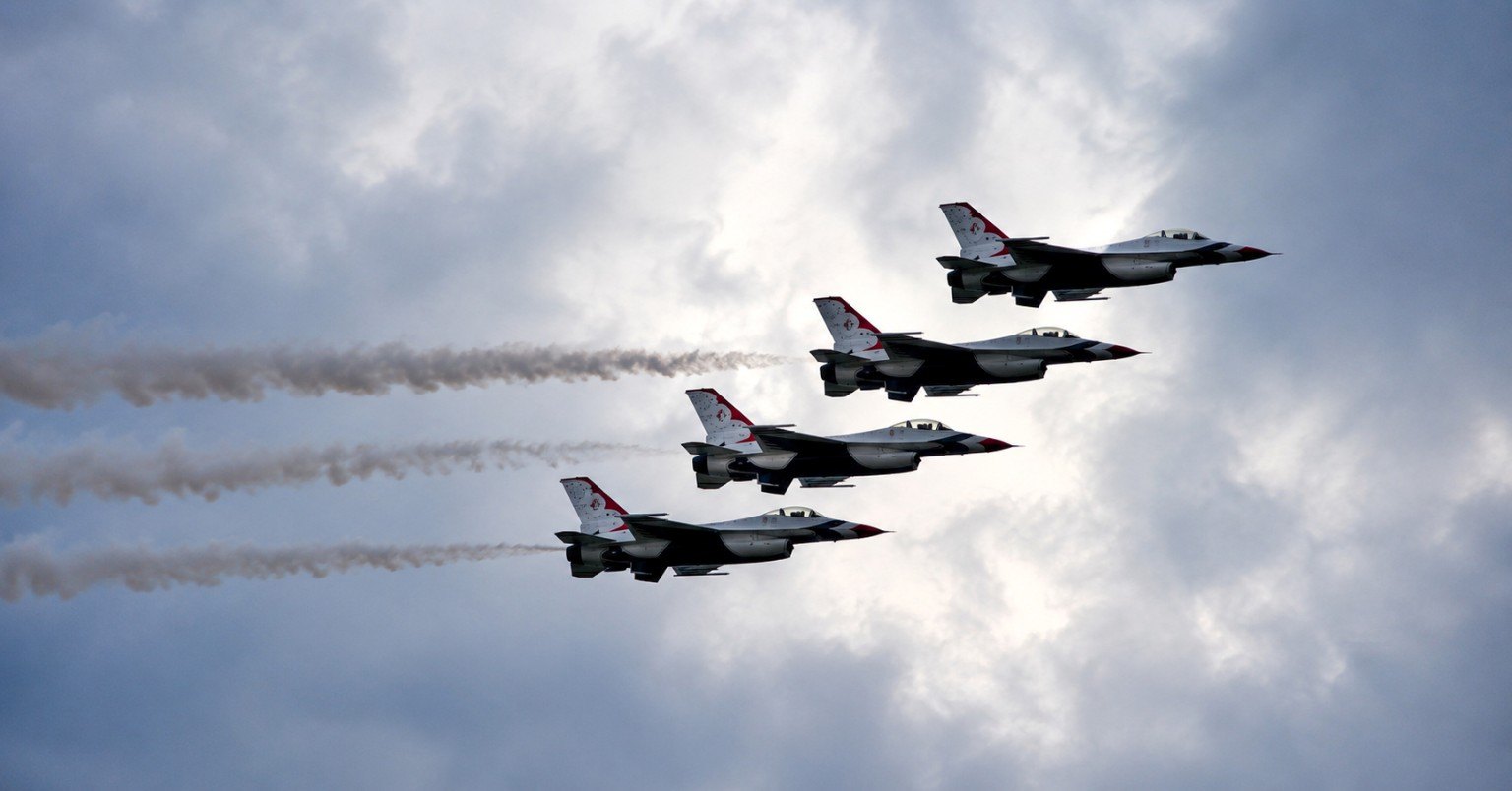
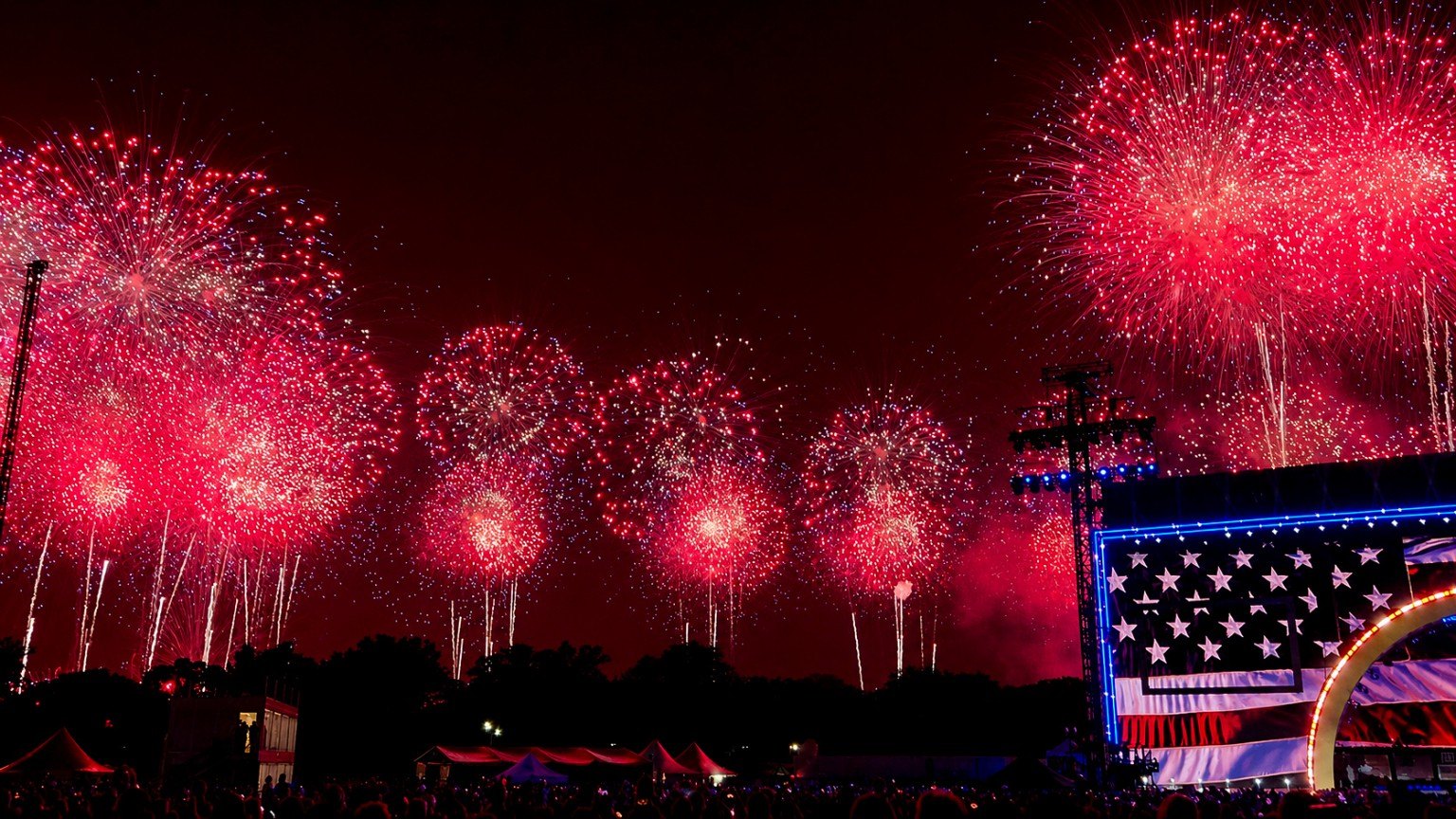
- 03 / Validation Photos confirm aircraft and fireworks
- 04 / Narrative Evidence becomes the memoir
Visual evidence
The coordinates become a scene.
04 / Outcome / Prompt + memoir excerpt
The weekend the sky belonged to America.
Use my exported Google Maps Timeline data from Washington, D.C., to write a vivid first-person travel memoir of about 500 words. Correlate the exact coordinates and timestamps with public events happening in those locations, use my photos as supporting evidence, distinguish confirmed facts from informed inference, and add enough color and flair that I could tell the story to friends.
This memoir sample was AI-generated with GPT in minutes. Human review then checked the draft against Google Maps Timeline, the photographs, and public event records.
By late afternoon, we were inside the Salute to America grounds as Air Force One and its escorts crossed the Washington Monument. Then the sky darkened and a storm scattered the Mall. For a while, we thought the night was over. When the gates reopened, we went back. Near midnight, fireworks broke across the horizon in red and gold. We had come to Washington expecting history; for one extraordinary evening, it felt as though we were standing inside it.
05 / Product insight
A private memory system could go further.
The same method could combine GPS, photos, reservations, tickets, and notes into a diary, map, photo essay, book, or searchable archive.
06 / Tools used
A small, complementary stack.
- Google Maps Timeline export
- Timeline.json + JSON analysis
- EXIF + photography
- Public event research
- GPT narrative generation + human review
07 / Key takeaway